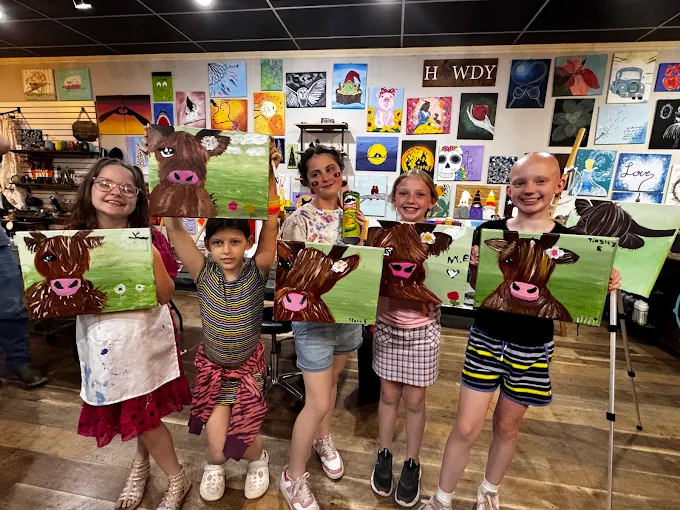
Art is more than just painting pictures, mixing colors, or creating beautiful crafts. For children, it is a wonderful way to explore new ideas, express feelings, build confidence, and discover their unique talents. Every time kids pick up a paintbrush, draw a picture, or create something with their hands, they get an opportunity to learn something new. They also discover that making mistakes is a normal part of learning.
Today, many parents look for activities that help their children grow beyond traditional classroom lessons. Art classes offer an enjoyable way to develop important life skills while having fun. Children can experiment with different materials, share their ideas, and take pride in their finished projects. Even if a child has never painted before, a welcoming creative environment can help them feel comfortable trying something new.
Whether children enjoy drawing, canvas painting, or hands-on crafts, creative activities can support their personal development in meaningful ways. Let's explore ten ways art classes help kids develop creativity and confidence while making learning an enjoyable experience.
1. Encourage Children to Explore Their Creativity
Every child has an imagination, but they need opportunities to use it. Art classes give children the freedom to turn their thoughts and ideas into something they can see and touch. Instead of following only one correct answer, they can experiment with colors, shapes, patterns, and different artistic techniques.
For example, when children paint a landscape, they might choose unusual colors for the sky or add imaginative details to their artwork. These small decisions encourage independent thinking and creative problem-solving. Over time, children become more comfortable sharing original ideas rather than copying what others create.
Art activities also teach kids that creativity does not have strict rules. They can explore different approaches and discover what works best for them.
Creative activities children can try include:
- Painting colorful landscapes and nature scenes.
- Creating handmade greeting cards.
- Drawing imaginary characters and stories.
- Decorating simple ceramic pieces.
- Making colorful collages using different materials.
2. Build Confidence Through Small Achievements
Children often feel proud when they accomplish something independently. Completing an art project gives them a visible reminder of what they can achieve through patience and effort. Even a simple painting can become a meaningful achievement when children create it themselves.
Art classes also provide a supportive space where children can learn without worrying too much about making mistakes. When instructors encourage effort instead of focusing only on perfect results, kids become more willing to try unfamiliar techniques. This positive experience can help them approach other challenges with greater confidence.
Furthermore, displaying finished artwork at home or sharing it with family members can make children feel appreciated. They begin to recognize their abilities and understand that their creative ideas have value.
3. Improve Problem-Solving and Critical Thinking Skills
Creating art involves making decisions. Children must think about which colors to use, where to place different objects, and how to bring their ideas together. Sometimes, their original plans do not work as expected. Instead of giving up, they can try another approach.
For instance, a child might accidentally mix two colors and create an unexpected shade. Rather than treating it as a failure, an instructor can encourage the child to explore how that new color might improve the painting. This simple experience teaches flexibility and creative problem-solving.
These skills are useful beyond art activities. Children can apply the same thinking when completing school projects, solving everyday problems, or learning something unfamiliar.
4. Develop Better Focus and Patience
In a world filled with screens, notifications, and constant entertainment, children benefit from activities that encourage them to slow down. Art classes give kids something enjoyable to concentrate on without rushing toward an immediate result.
Painting, drawing, and crafting require attention to small details. Children learn to follow instructions, complete individual steps, and spend time improving their work. As they become involved in a project, they gradually develop stronger concentration and patience.
Of course, every child works at a different pace. Some may finish quickly, while others enjoy spending extra time on details. A good art activity allows children to learn at a comfortable speed.
Parents can encourage these habits by introducing simple creative projects at home, such as:
- Completing a painting one step at a time.
- Following a simple drawing tutorial.
- Decorating a picture frame.
- Creating a themed craft project.
- Finishing a handmade gift for someone special.
5. Strengthen Fine Motor Skills and Hand-Eye Coordination
Art classes help children develop physical skills while allowing them to enjoy creative activities. Holding a paintbrush, cutting paper, drawing small shapes, and working with craft materials all require controlled hand movements. These activities help children improve fine motor skills and hand-eye coordination.
For younger children, these abilities are especially important because they support everyday tasks such as writing, holding pencils, tying shoelaces, and using utensils. As children practice different artistic techniques, they gradually become more comfortable controlling their hands and fingers.
Different projects offer different opportunities to practice these skills. For example, painting encourages controlled brush movements, while clay modeling helps children use their fingers to shape and create objects. These enjoyable activities turn skill development into a natural part of play.
6. Help Children Express Their Feelings and Emotions
Not every child finds it easy to explain how they feel. Sometimes, children experience emotions they cannot put into words. Art provides another way to communicate those feelings through colors, drawings, paintings, and creative projects.
For example, a child might use bright colors to represent happiness or create a picture that reflects something happening in their daily life. Although artwork should not be treated as a direct explanation of a child's emotional state, it can provide a comfortable starting point for conversations between children and trusted adults.
A supportive art instructor can encourage children to talk about their creative choices without judging their work. This helps children feel heard and respected. It also teaches them that their thoughts and feelings deserve attention.
Parents can support emotional expression by asking simple questions such as:
- What inspired you to create this picture?
- Which part of your artwork do you like most?
- What was your favorite part of the project?
- Would you like to tell me the story behind your creation?
7. Encourage Social Skills and Meaningful Friendships
Art classes give children opportunities to interact with others in a friendly and creative environment. They can share supplies, exchange ideas, ask questions, and learn from their classmates. These simple interactions help children become more comfortable communicating and building relationships.
Group art projects are especially useful because they encourage teamwork. Children may need to discuss their ideas, divide responsibilities, and work together to complete a shared creation. Along the way, they learn the importance of listening, taking turns, and respecting different opinions.
Another wonderful benefit is that children can discover friendships through shared interests. A child who feels shy in other situations might find it easier to connect with someone while painting or making crafts.
Social skills children can practice during art activities include:
- Sharing painting tools and craft materials.
- Listening to classmates' suggestions.
- Respecting different creative ideas.
- Helping others complete a project.
- Celebrating everyone's individual artwork.
8. Teach Children That Mistakes Are Part of Learning
One of the most valuable lessons children can learn through art is that everything does not have to be perfect. A painting might look different from the original idea, a color might turn out unexpectedly, or a drawing might need a few changes. These experiences help children understand that mistakes are a normal part of learning.
Instead of immediately correcting every mistake, instructors can encourage children to think about possible solutions. For example, if a child paints the wrong shape, they might turn it into another object or add new details to improve the design.
This approach helps children develop resilience and a positive attitude toward challenges. They begin to understand that trying again is often more important than getting everything right on the first attempt.
Parents can reinforce this lesson by praising children's effort, creativity, and willingness to experiment. Rather than asking whether a project looks perfect, celebrate the time and thought they put into making it.
9. Introduce Children to New Materials, Techniques, and Ideas
Children learn more when they have opportunities to explore different experiences. Art classes introduce them to materials and techniques they might not regularly use at home or school. This variety keeps creative activities exciting and encourages curiosity.
For example, children can experiment with watercolor, acrylic paint, colored pencils, clay, paper crafts, and other beginner-friendly materials. Each activity introduces a different way to create something unique.
Trying new materials also helps children discover their interests. One child might enjoy painting colorful pictures, while another might prefer shaping clay or creating decorative crafts. Giving children different opportunities allows them to explore their preferences without feeling pressured to choose one artistic skill.
Here are a few creative activities worth introducing:
- Canvas painting: Explore colors, brush techniques, and simple compositions.
- Ceramic painting: Decorate mugs, plates, and other pottery pieces.
- Drawing: Practice shapes, patterns, and imaginative illustrations.
- Paper crafts: Create greeting cards, decorations, and collages.
- Clay modeling: Shape animals, miniature objects, and creative designs.
10. Inspire Lifelong Learning and a Love for Creativity
The benefits of art classes do not end when children finish a painting or complete a craft project. Positive creative experiences can encourage them to keep exploring, learning, and expressing themselves as they grow.
When children discover that creating art can be enjoyable, they may become more interested in trying new hobbies. They might start drawing at home, decorating their rooms, making handmade gifts, or experimenting with different artistic styles.
Art also teaches children to appreciate the creative work of others. They begin to notice details, explore different perspectives, and understand that people can express ideas in many different ways. These experiences can encourage curiosity and open-mindedness.
Most importantly, children learn that creativity is not limited to professional artists. It is a skill they can use in everyday life, from solving problems to developing new ideas and finding enjoyable ways to spend their time.
Parents can help keep this interest alive by:
- Keeping basic art supplies available at home.
- Encouraging children to start small creative projects.
- Visiting art exhibitions and community events.
- Displaying children's artwork around the house.
- Giving children opportunities to experiment without pressure.
How Parents Can Choose the Right Art Classes for Their Children
Finding a suitable art class can make a big difference in a child's creative experience. The best option is not necessarily the most advanced class or the one with the most complicated projects. Instead, look for an environment where children feel comfortable, supported, and encouraged to explore.
Before enrolling, consider your child's age, interests, attention span, and experience level. Some children enjoy structured painting lessons, while others prefer open-ended crafts and hands-on activities. A class that matches their interests can make learning more enjoyable.
It is also helpful to understand how instructors guide their students. Children need clear instructions, positive encouragement, and enough freedom to make their own creative choices.
Consider these points before choosing an art class:
- Age-appropriate activities: Make sure projects suit your child's developmental level.
- Supportive instructors: Choose teachers who encourage creativity rather than demand perfection.
- Hands-on learning: Look for opportunities to work with different materials.
- A welcoming environment: Children should feel comfortable asking questions and sharing ideas.
- Room for individual expression: Every child should have the freedom to create something personal.
Remember, the goal is not to turn every child into a professional artist. The goal is to give them a positive experience that helps them develop useful skills and enjoy the creative process.
Final Thoughts
Art classes offer children much more than an opportunity to paint, draw, or make crafts. They provide a welcoming space where kids can explore their imagination, express their feelings, develop practical skills, and discover what they can accomplish through their own efforts.
From improving concentration and coordination to building friendships and learning patience, creative activities can support children's development in many ways. Most importantly, they teach children that their ideas matter and that making mistakes is simply part of growing.
Parents do not need to wait until their children show artistic talent to introduce them to creative activities. Every child deserves an opportunity to explore and enjoy the creative process.
If you're looking for inspiration, explore Cork & Canvas to discover creative experiences and hands-on activities in Huntsville, Texas. For families interested in children's events, Cork & Canvas offers private parties for children and teens. Contact the studio to discuss available arrangements.
Give children the freedom to imagine, experiment, and create. Sometimes, one enjoyable art experience can inspire a lifelong love of creativity!
FAQs
1. How do art classes help children develop creativity?
Art classes encourage children to experiment with colors, shapes, materials, and original ideas. They learn to express their imagination through creative projects.
2. Can art classes improve children's confidence?
Yes. Completing artwork helps children recognize their abilities, feel proud of their achievements, and become more comfortable trying new things.
3. At what age should children start art classes?
Children can explore simple art activities from an early age. Choose projects that match their developmental stage and interests.
4. Do children need artistic experience before joining art classes?
No. Beginner-friendly activities allow children to explore different techniques and learn through practice without needing previous experience.
5. How do art activities improve problem-solving skills?
Children make creative decisions, experiment with different solutions, and learn how to overcome challenges while completing projects.