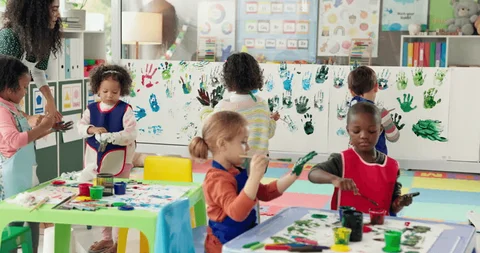
Painting gives children a fun way to explore their imagination, express their feelings, and discover new skills. With a few brushes, colorful paints, and a blank canvas, kids can turn simple ideas into creative masterpieces. They do not need perfect lines or professional techniques to enjoy the process. Instead, they need a welcoming space where they can experiment, make mistakes, and feel proud of what they create.
That is why kids’ painting classes can be such a rewarding experience for young artists. These activities encourage children to think creatively while developing patience, focus, and confidence. From colorful animal paintings to nature-inspired artwork, there are countless projects that children can enjoy at home, in school, or during a guided painting session. Whether your child has never held a paintbrush or already loves making art, the right project can turn an ordinary afternoon into a memorable creative adventure.
At Cork & Canvas, families can explore creative experiences that make art enjoyable and approachable. If you are looking for inspiration, these project ideas will help you discover fun ways to introduce children to painting and encourage their artistic growth.
1. Why Kids’ Painting Classes Are Great for Growing Minds
Painting is much more than a fun way to fill an afternoon. It helps children explore ideas, make decisions, and express themselves through colors and shapes. When kids choose their own colors or decide what to paint next, they practice independent thinking. They also learn that creativity does not always follow a set of rules.
Moreover, painting can help children develop fine motor skills. Holding a brush, controlling paint, and adding small details encourage hand-eye coordination. Finishing a project also teaches patience because children must work through different steps before seeing the final result. These skills develop naturally when the activity feels enjoyable rather than like another school assignment.
Parents can look for painting sessions that balance simple instruction with creative freedom. The best experiences allow children to follow helpful guidance while adding their own ideas. This approach makes children’s painting classes suitable for curious beginners and young artists who already enjoy making things.
Some important benefits include:
- Creativity: Children learn to imagine and explore new ideas.
- Confidence: Completing a project gives them a sense of achievement.
- Focus: Painting encourages children to pay attention to small details.
- Self-expression: Colors and pictures help children communicate feelings and ideas.
- Social skills: Group projects encourage sharing, cooperation, and friendly conversation.
2. Try These Easy Animal Painting Projects
Animals make excellent subjects for young painters because children can create recognizable pictures using basic shapes. For example, a ladybug can begin with a red circle, a black head, and a few simple spots. A fish can feature an oval body, a triangular tail, and colorful scales. These easy designs allow beginners to enjoy the process without worrying about complicated details.
Encourage your child to invent a colorful animal rather than copying a picture exactly. A purple elephant or a rainbow-colored butterfly can be just as exciting as a realistic painting. This freedom helps children understand that art is a personal expression, not a test with one correct answer.
Try these three beginner-friendly ideas at home or during a guided painting session:
- Rainbow butterfly: Paint two large wings, then add dots, lines, and bright patterns.
- Underwater fish: Create a blue background and fill it with colorful fish, bubbles, and seaweed.
- Friendly ladybug: Use red, black, and white paint to make a cheerful garden insect.
For younger children, choose larger brushes and thicker paper or suitable canvas boards. Older children can experiment with smaller brushes and extra details. Keep the instructions simple, and let each child work at a comfortable pace.
3. Create Beautiful Nature-Inspired Paintings
Nature offers endless inspiration for kids who enjoy exploring the world around them. A sunset, a flower garden, or a tree covered in colorful leaves can become a wonderful painting project. Children can observe the colors they see outdoors and then use their imagination to create their own version.
A sunset painting is especially suitable for beginners. Start with yellow near the horizon, blend it into orange and pink, and finish with blue or purple higher in the sky. Once the background dries enough for the next layer, children can add simple hills, trees, birds, or silhouettes. Adults can help with paint placement while allowing children to make their own design choices.
Nature projects can also turn an ordinary family outing into an art adventure. Collect visual inspiration during a walk, take pictures of interesting plants, or ask children to notice the different colors in the sky. If you bring natural objects indoors, choose clean, safe items and use them as references rather than putting unknown materials directly into paint.
These projects work particularly well because they teach children to notice patterns, shapes, and color combinations. They also show young artists that inspiration is all around them, from a tiny leaf to a beautiful evening sky.
4. Explore Canvas Painting With Simple Themes
Canvas painting gives children a chance to create artwork that feels special enough to display at home. Unlike a quick sketch, a finished canvas can become a keepsake from a birthday, a family activity, or a memorable afternoon with friends. Children also enjoy seeing their ideas develop from a blank surface into a finished picture.
When planning a beginner painting class for kids, choose a theme with a few manageable steps. Rainbows, stars, abstract patterns, and simple landscapes are good starting points. An instructor or parent can demonstrate the main shapes before children begin painting. After that, kids can personalize their artwork with different colors, patterns, or small decorative details.
Consider these fun canvas themes:
- Dreamy night sky: Combine a dark background with stars, a moon, and tiny dots.
- Rainbow clouds: Paint a bright rainbow with fluffy white clouds.
- Colorful abstract art: Experiment with circles, lines, dots, and overlapping shapes.
- Magical mountains: Create layered mountain shapes with contrasting colors.
Remember that every child works differently. Some may finish quickly, while others enjoy adding details for much longer. Give them time to explore, and avoid comparing their paintings with one another. The goal is to enjoy creating something personal, not to produce identical artwork.
5. Discover Acrylic Painting for Young Artists
Acrylic paint offers bright colors and works well for many canvas projects. Once dry, it becomes water-resistant, so children can build artwork in layers without disturbing every earlier brushstroke. However, acrylic paint can dry quickly, which means young artists may need help cleaning brushes and closing paint containers between activities.
An acrylic painting class for kids should introduce basic techniques in a simple, age-appropriate way. Children can learn how to load a brush, make thick and thin lines, blend colors while the paint is wet, and add shapes over a dry background. Start with a small number of colors so kids can experiment without feeling overwhelmed.
For a first acrylic project, try painting a flower garden. Begin with a light blue background, add green stems, and finish with bright flowers made from dots or simple brushstrokes. Children can select their favorite colors and add butterflies, clouds, or other imaginative details.
Safety matters, too. Choose art supplies labeled for the intended age group, provide good ventilation, protect clothing and work surfaces, and supervise young children. Keep paint away from mouths and eyes, and follow the product label for cleanup and use. For toddlers, washable, age-appropriate paints may be a more practical choice than acrylics.
6. Make Art Classes for Kids More Engaging
A great painting activity should feel exciting from the first brushstroke to the final display. Children often stay interested when they have a clear goal but can still make personal choices. Instead of asking every child to copy the same picture, introduce a shared theme and let everyone interpret it differently.
For example, you could organize a “My Dream Garden” painting day. One child might paint giant sunflowers, while another creates a garden filled with imaginary creatures. Everyone works with the same general idea, yet each finished painting reflects a different personality. This makes art classes for kids more welcoming and helps children appreciate different creative styles.
You can also introduce small games to keep the experience lively:
- Color challenge: Ask children to create a picture using just three colors.
- Story painting: Let each child paint a scene from a favorite imaginary adventure.
- Music and art: Play gentle music and invite children to paint the shapes or feelings it inspires.
- Group masterpiece: Give each child a part of a larger painting to complete together.
These activities encourage curiosity and collaboration without adding unnecessary pressure. Keep instructions short, offer breaks when needed, and celebrate effort as much as the finished picture.
7. How to Choose the Right Kids Art Classes Near You
Finding suitable kids art classes near me can feel overwhelming when so many activities, workshops, and programs are available. Start by considering your child's age, interests, attention span, and comfort level. A young beginner may prefer short activities with simple shapes, while an older child might enjoy detailed landscapes, themed canvas sessions, or opportunities to experiment with new techniques.
Next, look at the class format. Some programs focus on teaching specific artistic skills, while others emphasize relaxed creative experiences. Neither approach is automatically better; the right choice depends on what your child enjoys. Check the instructor's experience, the materials provided, the group size, and whether the projects suit your child's abilities.
Before booking, ask a few practical questions:
- Are the projects suitable for beginners?
- Does the class provide paint, brushes, and canvases?
- How long does each session last?
- Will children receive individual guidance?
- Can parents review the schedule, pricing, and age requirements beforehand?
If you live in Huntsville, Texas, visit the Cork & Canvas website to explore the studio's creative experiences and available activities. Check the current listings or contact the business directly to confirm whether a particular children's session is offered. This is especially important if you are planning an outing for a specific age group or occasion.
A good class should make your child feel comfortable asking questions, trying new techniques, and learning at their own pace. When children leave excited about what they have created, you have a strong sign that the experience was worthwhile.
8. Plan a Memorable Painting Day at Home or in a Studio
You do not need an elaborate setup to introduce children to painting. A kitchen table, a few supplies, and an easy project can create a memorable afternoon. First, cover the work surface, fill a small container with water, and arrange brushes, paint, and paper within easy reach. Keep paper towels nearby for quick cleanup, and provide an apron or old shirt to protect clothing.
Before starting, explain the basic steps without giving too many instructions at once. Demonstrate how to rinse a brush, mix two colors, or make a particular shape. Then let children explore independently while you offer help when they need it. A relaxed environment makes it easier for kids to enjoy their mistakes and discover unexpected results.
For a special occasion, a guided studio experience can make planning easier. Painting parties may be a fun option for birthdays, family celebrations, or creative outings with friends. However, confirm the studio's age policies, available projects, supervision requirements, and booking details before making arrangements.
Whether you paint at home or attend a class, the most valuable part is the experience you share. Take pictures of the finished artwork, ask your child to describe the story behind it, and display their favorite piece somewhere they can see it. These small moments help children recognize the value of their creativity.
Final Thoughts
Kids’ painting classes offer more than a fun activity. They give children an opportunity to explore their imagination, develop new skills, and create something they can proudly call their own. From simple animal pictures and colorful landscapes to exciting canvas projects, every painting provides a chance to learn through creativity.
As a parent, you do not need to focus on perfect results. Instead, encourage your child to experiment, ask questions, and enjoy the process. Choose age-appropriate supplies, introduce easy projects, and celebrate their progress along the way.
If you are ready to inspire your young artist, start with one simple painting project or explore creative experiences at Cork & Canvas. A little paint, a few brushes, and an open imagination can turn an ordinary day into a colorful memory.
FAQs
1. What age can children start painting classes?
Many children can begin simple painting activities around ages three to five, depending on their development and supervision needs.
2. Are painting classes suitable for beginners?
Yes! Beginner-friendly classes introduce basic techniques through simple, guided projects.
3. What supplies do kids need for painting?
Children usually need age-appropriate paint, brushes, paper or canvas, water, and a protected work surface.
4. Which painting projects are best for kids?
Animals, rainbows, flowers, sunsets, and colorful abstract paintings are excellent starting points.
5. Are acrylic paints safe for children?
Use age-appropriate products and follow their labels. Washable paints are often a practical choice for younger children.