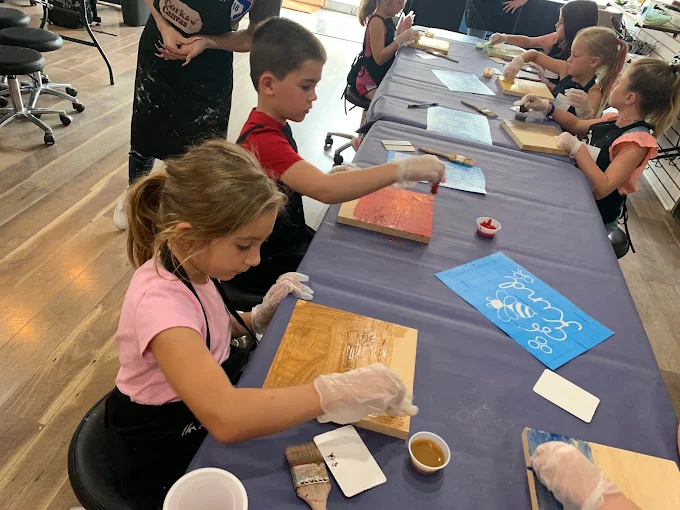
Every parent wants to see their child grow into a confident, creative, and independent individual. While school subjects such as math, science, and reading play an important role in childhood education, children also need opportunities to explore their imagination and express their ideas. That's where art classes can make a meaningful difference. From painting colorful pictures to creating handmade crafts, artistic activities give children a fun way to learn while developing valuable life skills.
Today, many parents recognize that art is about much more than drawing or making beautiful pictures. It encourages children to think creatively, solve problems, communicate their feelings, and develop patience. In addition, working with different colors, materials, and techniques helps young learners discover their interests and abilities. Whether a child enjoys painting independently or participating in group projects, creative experiences can support their overall development. With welcoming creative spaces such as Cork & Canvas, families can explore enjoyable artistic activities that make learning memorable and meaningful.
1. Art Classes Encourage Creativity and Imagination
Children naturally love exploring new things. Give them a blank canvas, a few paintbrushes, and different colors, and they can turn an ordinary afternoon into an exciting creative adventure. Art classes encourage children to use their imagination and develop original ideas instead of always following instructions. They learn that there is more than one way to create something, which helps them become open-minded thinkers.
Moreover, creative activities allow children to experiment without worrying too much about making mistakes. For example, a child might combine unexpected colors, create an imaginary animal, or paint a picture inspired by a favorite story. These small experiences help young minds explore possibilities and develop their own creative style.
Parents can support this development by giving children opportunities to try different artistic activities, such as:
- Drawing pictures inspired by nature.
- Painting with different colors and textures.
- Creating handmade cards and decorations.
- Making simple crafts using safe materials.
- Designing imaginative characters and stories.
The best part is that children do not need expensive supplies or advanced artistic skills. They simply need encouragement, time, and the freedom to explore.
2. Art Activities Help Develop Fine Motor Skills
Fine motor skills involve the small movements children make with their hands and fingers. These movements are important for everyday activities, including writing, buttoning clothes, holding utensils, and using classroom supplies. Art activities provide enjoyable opportunities to practice these skills naturally.
When children hold paintbrushes, draw shapes, cut paper with child-safe scissors, or work with clay, they strengthen hand coordination and improve control over their movements. Repeating these activities also helps them become more comfortable using their hands for detailed tasks.
For example, painting inside a shape requires a child to control brush movements carefully. Similarly, making a paper collage encourages children to position small pieces and use their fingers with greater precision. Over time, these simple activities can support better hand-eye coordination.
Parents should remember that every child develops at a different pace. Instead of expecting perfect results, celebrate small improvements and allow children to practice at their own speed.
3. Painting Gives Children a Healthy Way to Express Emotions
Children do not always have the words to explain how they feel. Sometimes, they experience excitement, disappointment, frustration, or worry without knowing how to communicate those emotions. Art offers another way for them to express themselves.
Through painting, drawing, and crafting, children can communicate ideas and feelings in a comfortable environment. A bright picture might represent happiness, while a drawing of a rainy day could reflect a quieter mood. However, parents should avoid assuming that every color or image has a specific emotional meaning. The most helpful approach is to let children explain their own creations.
Art classes can also create opportunities for positive conversations between parents, children, and instructors. Instead of asking whether a picture looks perfect, try asking questions such as:
- What inspired you to make this picture?
- Which part did you enjoy creating most?
- What would you like to add next?
- How did you feel while working on it?
These simple questions show children that their thoughts and ideas matter. As a result, they may become more comfortable sharing their feelings and communicating with others.
4. Creative Projects Build Confidence and Self-Esteem
Confidence develops when children feel capable of trying new things, learning skills, and achieving personal goals. Art classes create a supportive environment where children can experience these achievements without the pressure of getting every answer right.
Imagine a child who struggles to draw a particular shape during their first class. After practicing several times, they finally create something they feel proud of. That small accomplishment can make a meaningful difference in how they view their abilities. They begin to understand that improvement comes through effort and practice.
Furthermore, displaying a finished painting or bringing a handmade project home gives children a sense of accomplishment. They can look at their work and recognize what they created through their own effort.
Parents can strengthen this confidence by focusing on progress rather than perfection. Instead of saying, "That's the prettiest picture," consider saying, "I love how much effort you put into this."
This approach helps children understand that their creativity and dedication are valuable, regardless of the final result.
5. Group Art Classes Improve Social and Communication Skills
Although art can be an individual activity, group classes provide excellent opportunities for children to interact with others. They learn to share materials, listen to instructions, respect different ideas, and communicate while working on creative projects.
For children who feel shy in unfamiliar environments, artistic activities can offer a comfortable way to participate. They do not always need to start a conversation immediately. Instead, they can connect with other children by discussing colors, sharing supplies, or showing their artwork.
Group projects also teach children that everyone has different ideas and creative approaches. One child might prefer painting landscapes, while another enjoys designing colorful patterns. Learning to appreciate these differences encourages respect and cooperation.
Some valuable social lessons children can practice during group art activities include:
- Taking turns and sharing supplies.
- Listening when someone else is speaking.
- Respecting different opinions and creative choices.
- Asking for help when needed.
- Celebrating other children's achievements.
These experiences can help children develop stronger relationships and feel more comfortable participating in group activities at school and elsewhere.
6. Art Classes Teach Patience, Focus, and Problem-Solving
Children often want immediate results, especially when they are excited about a new activity. However, creative projects teach them that some things take time. A painting may require several steps, while a craft project might need careful planning before it looks complete.
During an art class, children learn to follow instructions, pay attention to details, and complete tasks one step at a time. These experiences can gradually encourage patience and concentration.
Art also introduces small challenges that require problem-solving. What happens when a child chooses the wrong color? How can they improve a design that does not look the way they expected? Should they add another detail or try a different technique?
Rather than immediately correcting every mistake, parents and instructors can encourage children to find their own solutions. This gives them opportunities to think independently and learn from experience.
Most importantly, children discover that mistakes do not have to end a creative project. They can adjust their approach, try something new, and continue working until they are happy with the result.
7. Hands-On Art Experiences Encourage Independence
One important goal of childhood development is helping children become more independent. They need opportunities to make decisions, explore their interests, and take responsibility for simple tasks. Art activities naturally support these habits.
For instance, children may choose which colors to use, decide what they want to paint, or select materials for a craft project. These small decisions allow them to develop personal preferences and become more confident in their choices.
In addition, completing a project gives children a chance to take responsibility for their work. They learn to organize materials, follow basic steps, and clean up after finishing an activity. These habits may seem simple, but they can contribute to greater independence in everyday situations.
Parents can encourage independent creativity by allowing children to make age-appropriate decisions. Offer guidance when necessary, but avoid controlling every part of the process. Sometimes, the most meaningful learning happens when children discover their own solutions.
8. How to Choose the Right Art Class for Your Child
Not every child enjoys the same artistic activities. Some love painting, while others prefer drawing, pottery, or hands-on crafts. Therefore, parents should look for creative experiences that match their child's interests, comfort level, and age.
A welcoming environment is equally important. Children should feel comfortable asking questions, experimenting with materials, and learning without worrying about criticism. Instructors who provide patient guidance can make the experience more enjoyable, particularly for beginners.
Before choosing an art class, consider a few important factors:
- Age suitability: Make sure the activities match your child's developmental stage.
- Teaching approach: Look for patient instructors who encourage creativity.
- Class environment: Choose a welcoming space where children feel comfortable.
- Activity variety: Explore painting, drawing, pottery, and other creative projects.
- Learning experience: Prioritize enjoyment and personal growth over perfect artwork.
Parents in Huntsville, Texas, can also explore the creative experiences available at Cork & Canvas. The studio offers beginner-friendly activities, including canvas painting, ceramic painting, and other hands-on creative experiences. Its website highlights step-by-step guidance and a welcoming environment where no previous experience is necessary. Families can explore the available experiences and check which options are appropriate for their children.
corkandcanvastx.com
Remember, the right class should make children excited to learn. It should give them room to explore, create, and enjoy the process without unnecessary pressure.
Final Thoughts
Art classes offer children much more than an opportunity to make colorful pictures. They provide meaningful experiences that can support creativity, communication, confidence, coordination, and independent thinking. Through regular artistic activities, children can explore their interests, learn new skills, and discover the joy of creating something with their own hands.
For parents, the goal should not be to raise a professional artist. Instead, it should be to provide opportunities that help children become curious, confident, and comfortable expressing themselves. Every painting, drawing, and handmade project can become a small learning experience.
So, encourage your child to pick up a paintbrush, experiment with colors, and try something new. Explore creative activities together and make time for experiences that turn learning into fun. A little creativity today can inspire a lifelong love of learning tomorrow.
FAQs
1. Why are art classes important for children?
Art classes encourage creativity, improve coordination, build confidence, and help children express their thoughts and feelings.
2. At what age should children start art classes?
Children can explore simple art activities at an early age. Choose projects that match their abilities and interests.
3. Can art classes improve children's confidence?
Yes. Completing creative projects helps children recognize their progress and feel proud of their achievements.
4. Do art classes help with school skills?
Art activities can support concentration, problem-solving, communication, and fine motor skills, which are useful in everyday learning.
5. What art activities are suitable for beginners?
Drawing, canvas painting, coloring, paper crafts, and simple pottery projects are enjoyable starting points.